






Chuhee LeeIndependent research
Independent research · AI, Mobility, Experience

Time and attention on the move

Every day, people move: to work, to visit, to travel. Along the way they read, watch, learn, work or rest. Mobility, travel and what people do with that time are one connected space. This site traces the forces shaping it and the opportunities it opens.

For people building products in AI, mobility and experience: where the opportunities are, and the evidence behind them.

Illustration: a woman reads a tablet in a train seat by the window; beyond the window, layers of landscape, map grids, a train, a bus and a plane flow past.
AI-generated illustration (Gemini).

Start here

Nine reports and a first brief, read top to bottom

The reports follow the map: long-range forces first, then the shifts they drive, then what is actually shipping. Each row gives the report’s scope as stated in the report.

  1. 01Forces · 10–15 yrsMega Trends Outlook 20402026–2040 · 7 trends scored · 130 references
  2. 02Shifts · 1–5 yrsAgentic AI and the Consumer Outlook 2026–20312026–2031 · US-led, EU and China · general consumer + mobility
  3. 03Shifts · 1–5 yrsMedia and Learning Outlook 2026–20312026–2031 · US-led, global context · entertainment and learning
  4. 04Shifts · 1–5 yrsTrip Discovery Outlook 2026–20312026–2031 · US-led, Europe and East Asia · discover, plan, book
  5. 05Shifts · 1–5 yrsMobility Product Outlook 2026–203112-dimension framework · 6 markets
  6. 06Shifts · 1–5 yrsPhysical AI Outlook 2026–20312026–2031 · global, US, China, Europe · work, value, life
  7. 07Signals · benchmarksIn-Car AI Assistant Benchmark21 assistants · 7 dimensions · refreshed quarterly
  8. 08Signals · benchmarksWhat people do on the moveUS only · 13 modes × 13 measures · last 10 years of data
  9. 09Signals · benchmarksThe terminal benchmarkGlobal · 28 airports · 16 measures × 7 regions
  10. 10Opportunities · briefOne cabin, several peopleUS sizing · concepts from 5 markets · invitation to solve

The map

Layers × domains

Read top to bottom: long-range forces drive shifts in technology and behavior, benchmarks show what is actually shipping, and opportunities come out the other end. Forces and most shifts are shared; signals and opportunities belong to a domain.

Domain

Agentic AI and the Consumer already covers travel and mobility, alongside retail and finance, so it sits in the shared column. Point to a report on the map to preview it.

Publications

Latest first
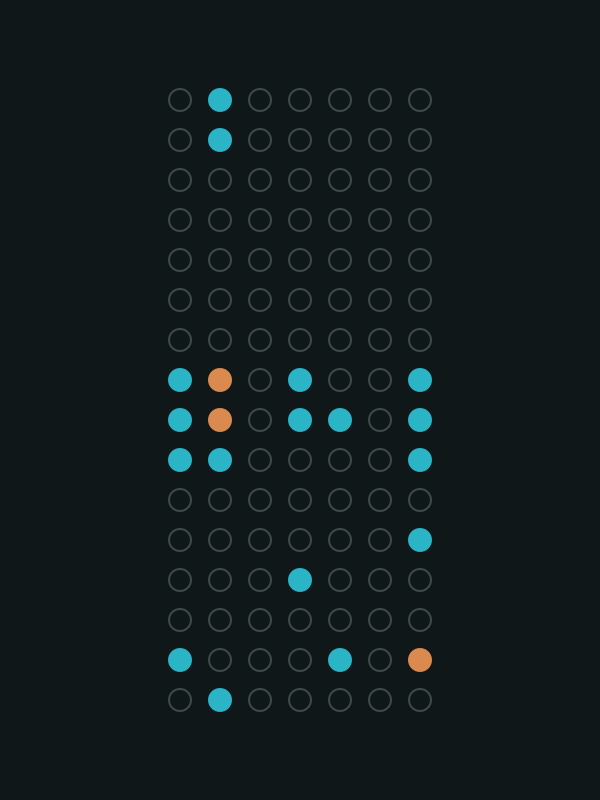
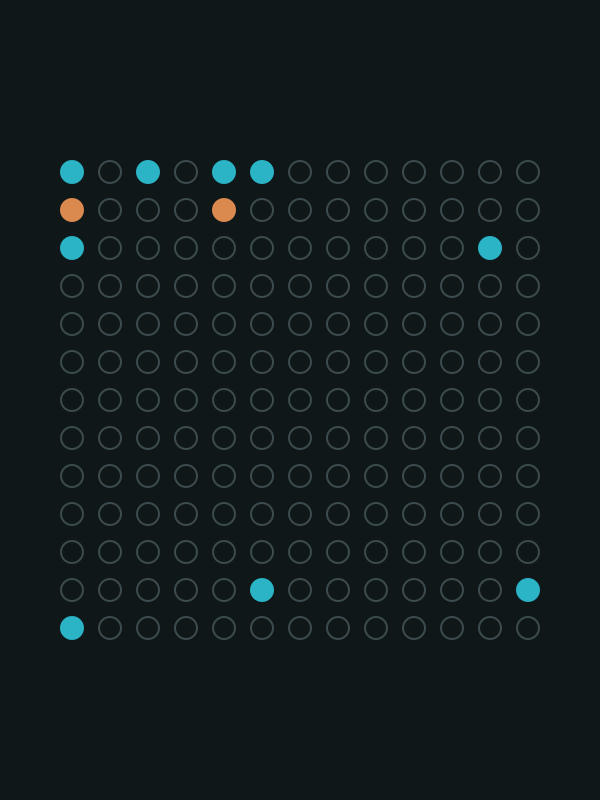
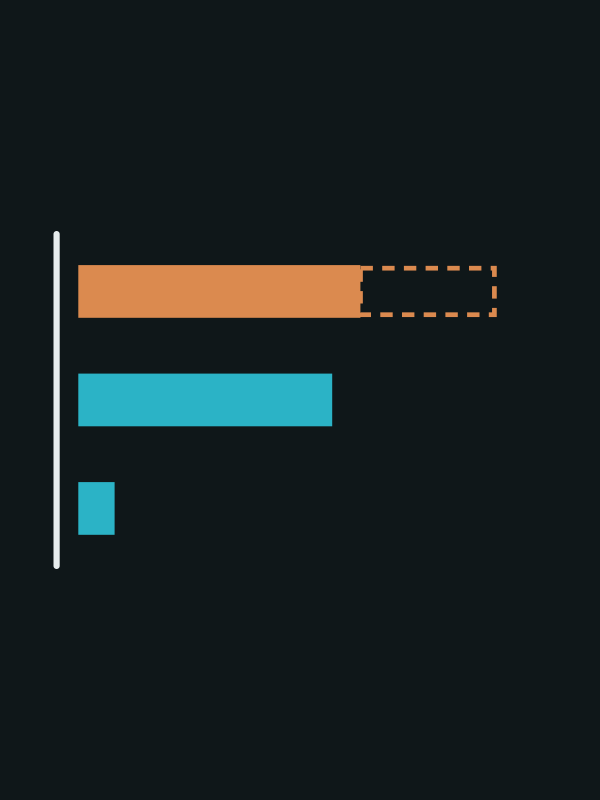
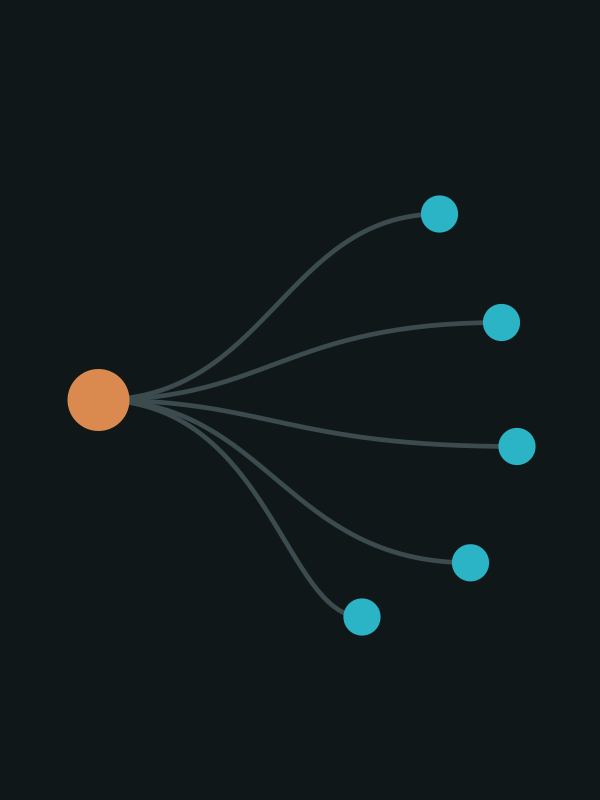
Cover art: six columns of squares stepping down from left to right, one orange square at the top of the first. LatestShiftsMobility Physical AI Outlook 2026–2031 QuestionHow will physical AI change work, the economy and everyday life by 2031, and where will it scale first? A five-year forecast of physical AI, from models and chips to factories, homes and farms: what is measured today, where forecasts disagree, what it means for work and who captures the value. Research report · data as of 3 Nov 2026 · ≈23 min read · next refresh Nov 2027 Cover art: four stations on one path, one per role in a booking; the first, the answer screen, is filled. ShiftsTravel Trip Discovery Outlook 2026–2031 QuestionHow will AI assistants and agents, social video and new devices change how people discover, plan and book trips by 2031, and who will stand between the traveler and the seller? A forecast built from expert forecasts, research papers and company disclosures. Trip discovery leaves the click: travelers increasingly get ideas and plans as AI answers, mostly Google’s, while travel brands and platforms keep the booking, the payment and the service. Six shifts, the forces that slow them, and scenarios with signposts. Research report · data as of 3 Nov 2026 · ≈24 min read · next refresh Nov 2027 Cover art: one point surrounded by rings of small squares. ShiftsEntertainment Media and Learning Outlook 2026–2031 QuestionHow will advances in AI, wireless communication and consumer devices change how people use media for entertainment and for learning by 2031? A forecast built from expert forecasts, research papers and major publications. For information and learning, people will increasingly ask an AI rather than look for themselves; for entertainment, AI works inside the feeds and apps they already scroll. Six shifts, the forces that slow them, and scenarios with signposts. Research report · data as of 1 Nov 2026 · ≈23 min read · next refresh Nov 2027 Cover art: a grid of dots, one for each cell of the benchmark matrix of 16 activity measures by 7 regions; 20 are solid, for cells with a measure, and the rest are hollow. The Latin America and Africa rows are empty. SignalsTravel The terminal benchmark QuestionWhat do people do in airport terminals around the world, what do airports offer for that time, and how much of it is measured? A matrix of 16 activity measures by 7 regions, using only data from the last ten years, plus a benchmark of services at 28 leading airports. Spending and processing are counted; what people do while they wait is not, and Latin America and Africa are blank. Research report · data as of 23 Oct 2026 · ≈11 min read · one-time edition Cover art: a grid of 13 by 13 dots, one for each cell of the benchmark matrix; 11 are solid, for cells with a US measurement, and the rest are hollow, for gaps. SignalsTravel What people do on the move QuestionWhat do people in the US do while traveling, in each mode and in motion versus stopped, and where is that behavior actually measured? A benchmark matrix of 13 modes and states by 13 activity measures, using only US data from the last ten years. Drivers are measured; buses, trains, subways and planes in flight are not. Each cell is rated by how well it is measured. Research report · data as of 21 Oct 2026 · ≈9 min read · one-time edition Cover art: three bars to scale, hours a year per person riding as a car passenger, lost to congestion, and flying. OpportunitiesMobility One cabin, several people QuestionIs the shared car cabin, where a driver and passengers ride together, a problem large enough to be worth solving, and where could a solution start? The first opportunity brief: Americans spend a comparable amount of time riding as car passengers as they lose to traffic, yet the car is built around the driver. Sized against well-known issues, with concepts from the US, Europe, China, Korea and Japan, and an invitation to solve. Opportunity brief · data as of 17 Oct 2026 · ≈16 min read · one-time brief Cover art: one point handing tasks to many. ShiftsSharedTravelMobility Agentic AI and the Consumer Outlook 2026–2031 QuestionHow will AI agents change what consumers research, delegate and buy by 2031, and who decides how far that goes? What consumers will hand to AI agents by 2031, from comparing to paying, and who owns the checkout, with a mobility read-through and a US, EU and China comparison. Research report · data as of 2 Nov 2026 · ≈20 min read · next refresh Nov 2027 Cover art: twelve spokes, one per dimension of the product-definition framework. ShiftsMobility Mobility Product Outlook 2026–2031 QuestionHow are consumer electronics and rising customer expectations redefining what a car is, and what defines the next-generation mobility product? How consumer electronics and rising customer expectations are redefining the car: a 12-dimension product-definition framework, robotaxi cabins and a ranking of 15 technologies. Research report · data as of 11 Oct 2026 · ≈26 min read · next refresh Oct 2027 Cover art: seven arcs, one per force; each arc's length is the trend's score out of 20. ForcesShared Mega Trends Outlook 2040 QuestionWhich long-range forces will reshape strategy between 2026 and 2040, how certain is each, and where do they collide? 7 forces reshaping 2026–2040 across society, economy, technology, climate and geopolitics, scored, mapped across 3 horizons and stress-tested with scenarios. Research report · data as of 1 Oct 2026 · ≈25 min read · next refresh Oct 2027 Cover art: 21 dots in 7 columns, for 21 assistants scored on 7 capability dimensions. SignalsMobility In-Car AI Assistant Benchmark QuestionWhat can today’s in-car AI assistants actually do for the driver, and who owns the layer that does it? 21 in-car assistants scored on 7 capability dimensions and on who controls the stack, with use-case evidence and a dated watch list. Benchmark · data as of 1 Nov 2026 · next refresh mid-Jan 2027

Reading time is estimated from each report’s text at 230 words a minute, excluding tables and references. None is given for the benchmark, which is mostly tables and lists.

How topics are found

Six lenses on the person on the move
CarRailRobotaxiPlane DRIVINGRIDINGRIDINGTHE JOURNEY a driver has little attention to givea rider has a lot CarRailRobotaxiPlane DRIVINGRIDINGRIDINGJOURNEY little attention freea lot free
Shaded band: attention that is free to spend. Illustrative, not to scale.Drawn for this site
The person

Time

How long, and how often. Any length of time gets spent on something.

The person

Attention

What is free to give. A driver has little; a rider has a lot.

The person

State of mind

Stress on the commute, rest on the way home, anticipation before a trip.

Surroundings

Social context

Alone, with family, or sharing a ride with strangers.

Surroundings

Space

The cabin, the seat, the window, the connection.

Surroundings

Transitions

Waits, transfers and the last mile between legs of a journey.

Opportunities

One brief published

One cabin, several people

Mobility · October 2026 · an invitation to solve
ProblemSeveral people share many car trips, but the cabin serves one of them: passengers’ time goes unused and anything offered to them must not cost the driver attention.
Why nowSeat-aware voice and sound are becoming software on hardware already fitted; regulation now draws the line around the driver’s attention.
Who is already therePartial answers: AirConsole, Kardome, sound-zone suppliers; seat-zoned voice and motion-sickness modes in China, Korea and Japan.
Why not just the phone?The phone keeps each passenger’s content; the car adds shared screens, sound per seat, who is speaking and what the driver can afford.
Business modelThrough the carmaker, as a paid tier or upgrade, or aftermarket.
Entry wedgeFamily long-trip mode; a “who’s asking” layer; sound per seat; motion-sickness mitigation.
Risks and open questionsUnproven demand, suppliers shipping it as a feature, privacy rules, no direct measure of the cost.
Potential vs complexityHigh potential on exposure, unproven on demand: an average of 1.5 people per household vehicle, and passenger time comparable in scale to congestion delay. Medium-to-high complexity.
Every brief answers these eight questions, so an idea can be traced back to its evidence. With three or more briefs, they will be plotted on a potential-versus-complexity chart.

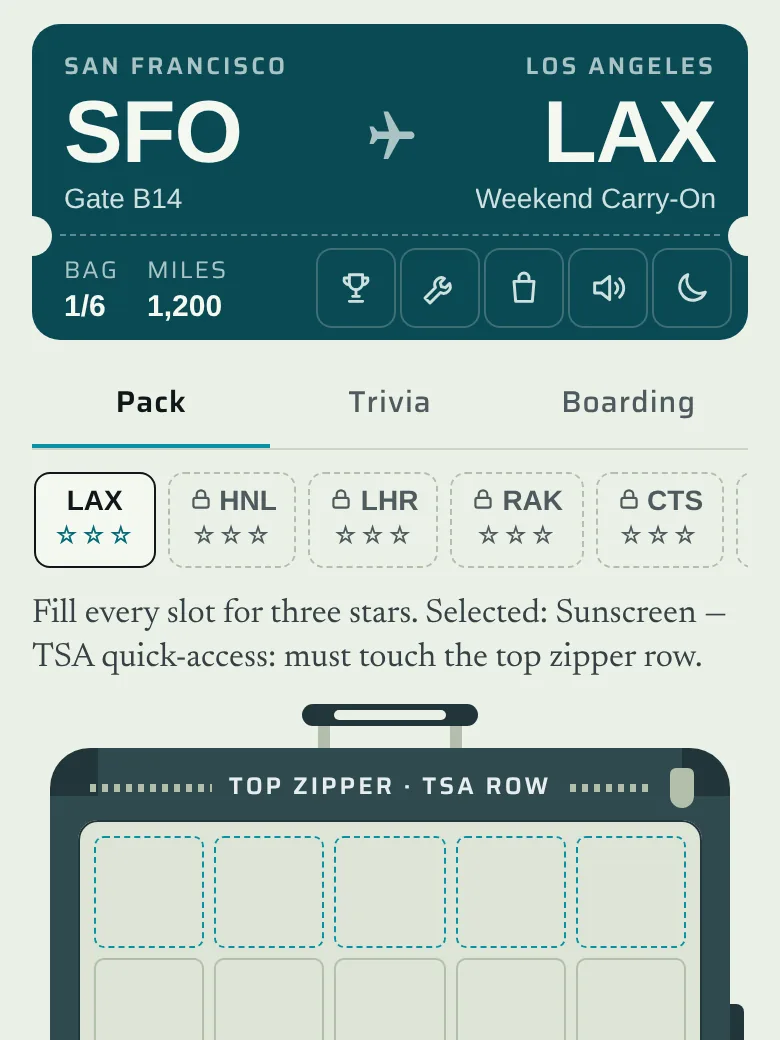
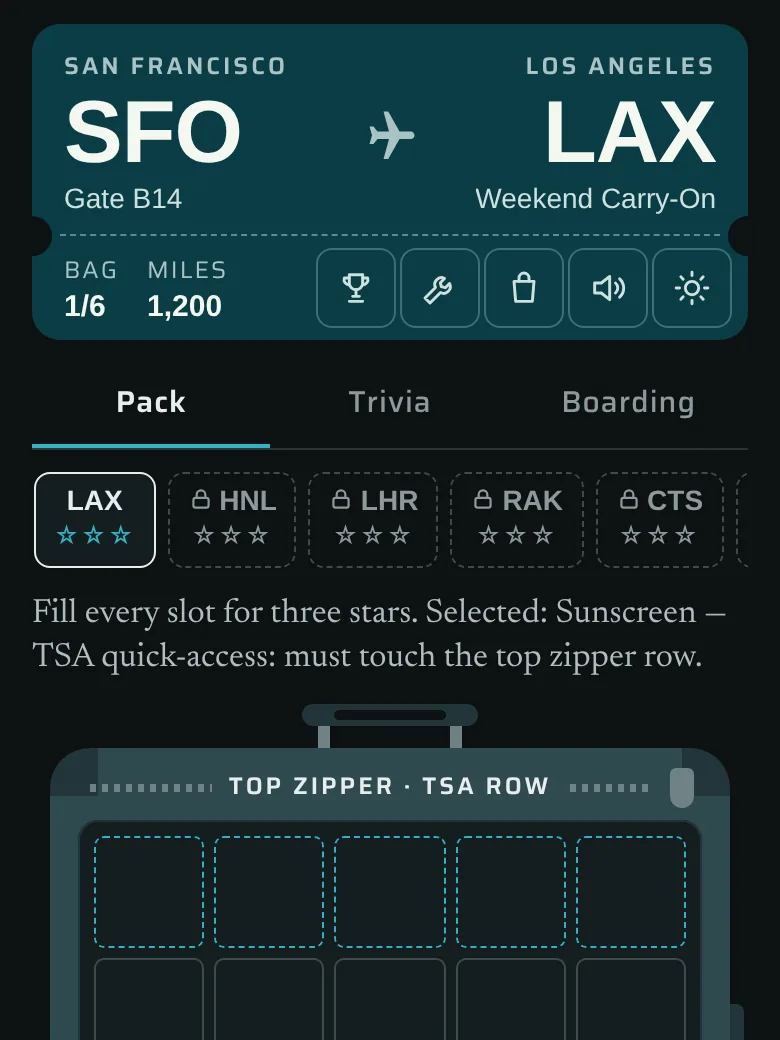
Screenshot of Gate Games: a boarding pass for SFO to LAX above an empty carry-on bag grid. Screenshot of Gate Games: a boarding pass for SFO to LAX above an empty carry-on bag grid. Side projectTravel Gate Games A side project, made for the wait at the gate that the terminal benchmark describes. A working example to play, not a proposed solution. Three short games: pack a carry-on, guess where the flight is headed, sort the boarding line. One thumb, stop any time, works offline. Play Gate Games →

What changed

Latest updates
  1. Updated Physical AI Outlook 2026–2031, rewritten as a five-year forecast; replaces Physical AI and the Rider’s Cabin at a new address.
  2. New Trip Discovery Outlook 2026–2031, how AI answers, agents and social video change the way people find, plan and book trips.
  3. Updated Agentic AI and the Consumer Outlook 2026–2031, rewritten as a five-year forecast; replaces the 2027 outlook at a new address.
  4. New Media and Learning Outlook 2026–2031, how AI, wireless and devices change the way people watch, listen, play and learn.
  5. Updated In-Car AI Assistant Benchmark: GM’s OnStar AI Assistant announced; the rest of the watch list rechecked. No scores changed.

Full change log · RSS feed

About

Author and method

Chuhee Lee has spent over two decades in Silicon Valley translating emerging technology trends into tangible automotive products. Spanning software-defined vehicles, AI, autonomous driving, and in-vehicle user experiences, his work bridges the gap between advanced R&D and real-world commercial applications. He leads a multidisciplinary organization focused on strategy, technology, and partnerships, collaborating with startups, tech leaders, and academia to transform complex problems into scalable mobility solutions. He anticipates the trajectory of automotive technology by analyzing shifts in consumer attention and macro trends. He holds an M.S. in Electrical Engineering from Stanford University and a B.S. in Electrical Engineering from Johns Hopkins University.

These are personal research projects. The views are the author’s own and do not represent those of any employer or organization. No company covered sponsors, reviews or endorses this work.

Research, source verification and drafting are carried out with several AI models, including Claude (Anthropic), Gemini (Google) and ChatGPT (OpenAI); topic selection, scores and conclusions are the author’s. Facts are sourced to official and primary sources first, then recognized studies, then specialist trade press, and every report lists its references. Each report and benchmark carries a change log and a next-refresh date (one-time briefs are not refreshed), and corrections are welcome via LinkedIn. The full method is on How this research is made. To follow new editions and refreshes, use the RSS feed.

Unless stated otherwise, reports are licensed under CC BY-NC 4.0: share and adapt for non-commercial purposes with credit.

Follow new editions

Each report and benchmark is refreshed on a schedule; one-time briefs are not. Know when it changes.